
The Most Iconic Dog Breeds in the World
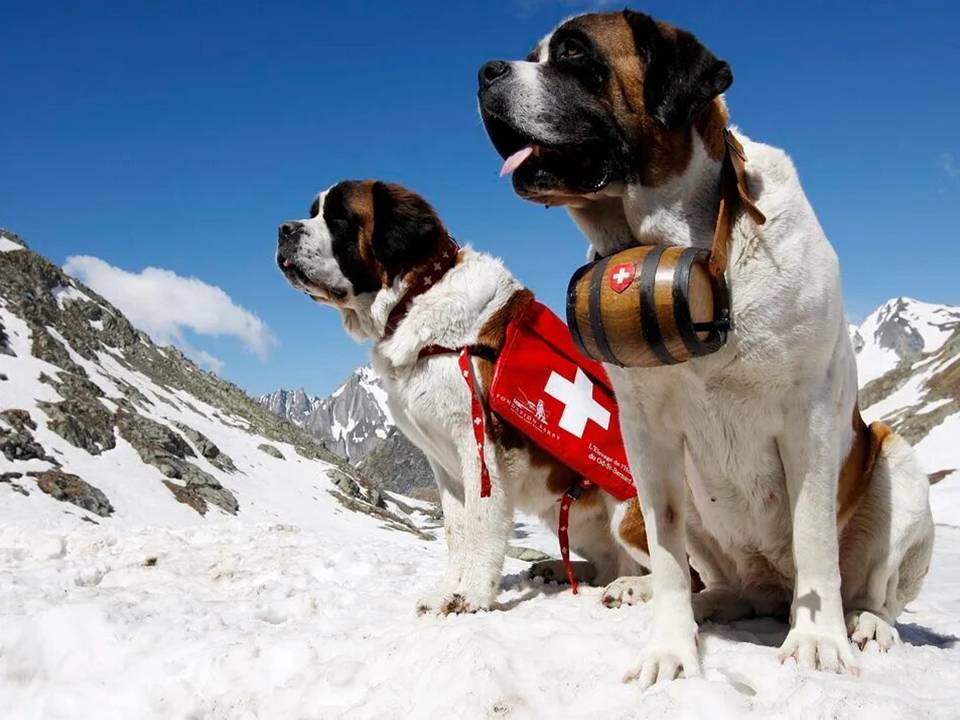
The Saint Bernard stands as one of the world’s most iconic dog breeds. This giant dog possesses a famously gentle nature. Its history is deeply intertwined with rescue work in the Swiss Alps. Popular culture often shows the breed with a small brandy barrel on its collar. Its true story involves ancient Roman dogs and Alpine herding breeds.
Ancient Roots and Roman Molossers
The breed’s history begins with the Roman Molosser. Ancient Romans used these large, powerful dogs for war and protection. Roman armies brought their Molossers into the Alps roughly 2,000 years ago. Over time, these dogs bred with local mountain breeds. This mixing produced dogs adapted to the harsh climate and difficult terrain, forming the early foundation of the Saint Bernard.
The Hospice at the Great St. Bernard Pass
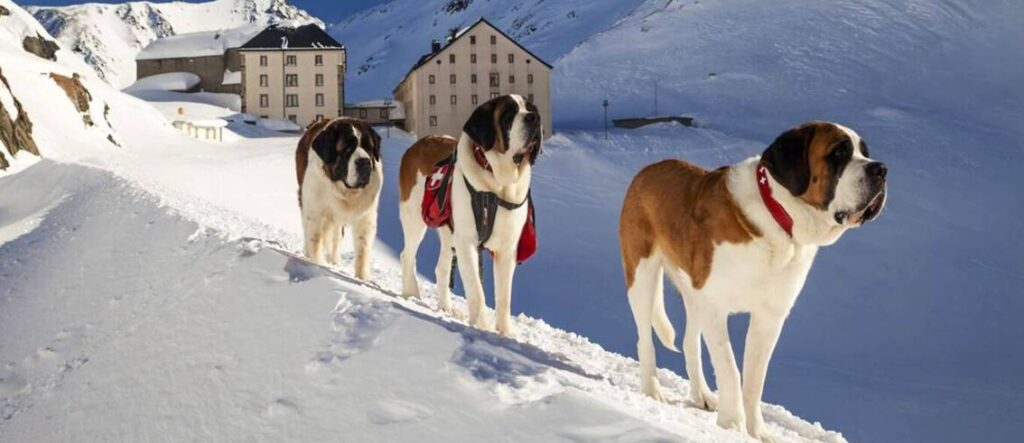
An Augustinian monk, Saint Bernard of Menthon, founded a hospice around 1050 AD. He built it in the dangerous Great St. Bernard Pass between Switzerland and Italy. This high-altitude route was treacherous for travelers, with frequent avalanches and severe storms.
The Birth of a Rescue Dog
The hospice monks began using large mountain dogs for protection and guidance. The dogs’ strength and incredible sense of smell made them perfect for rescue work. They could navigate deep snow and locate lost travelers. These “hospice dogs” eventually took the name of the hospice’s saintly founder. Their lifesaving work made the Saint Bernard famous throughout Europe.
The Development of the Saint Bernard Breed
Selective Breeding for Survival
Over many centuries, the monks at the hospice carefully shaped the breed. They selectively bred the strongest and most resilient dogs for their rescue missions. The brutal Alpine environment demanded specific traits. The dogs needed a large size to traverse deep snow. They required a thick coat for insulation against the cold. Their work also required a gentle and dependable temperament.
A Established Rescue Force
By the 17th century, the Saint Bernard was a established presence. The first written record of the breed as a distinct type appeared in 1707. Their lifesaving role was well-documented by the early 18th century. Teams of two dogs often worked together. They used their combined strength and keen sense of smell to find avalanche victims. One dog would stay to warm the person; the other would return to alert the monks.
A Different Build
These early Saint Bernards were smaller and less massive than modern dogs. Despite this, they were still large, sturdy, and remarkably agile in the mountains. Their natural instincts and superior sense of smell made them invaluable partners.
The Legend of Barry
A Heroic Legacy: One famous Saint Bernard, Barry der Menschenretter (Barry the People Rescuer), served at the hospice from 1800 to 1812. Stories credit Barry with saving over 40 lives. His heroism cemented the breed’s reputation. The Natural History Museum in Bern, Switzerland now preserves and displays his remains as a tribute.
Spreading Fame: Barry’s story greatly increased the breed’s fame across Europe. Throughout the 19th century, the Saint Bernard’s renown grew. People everywhere learned of the dog’s incredible rescue abilities. This growing popularity sparked interest in the breed far beyond the Swiss borders.
Decline and Revival of the Breed
A Threat to the Breed: Severe winters and avalanches in the mid-19th century devastated the Saint Bernard population. The harsh conditions killed many of the original hospice dogs. To save the breed, the monks crossbred their remaining dogs with Newfoundlands.
A Change in Appearance
This crossbreeding created the larger, long-haired Saint Bernard we know today. However, the long coat created new problems. It easily became matted and trapped ice, making it impractical for rescue work in deep snow.
A Global Shift
In the late 1800s, people began exporting Saint Bernards to England and the United States. Breeders in these countries prioritized show ring appearance over working ability. Kennel clubs worldwide officially recognized the Saint Bernard as a distinct breed.
A New Role as Companions
Modern technology like helicopters has replaced the Saint Bernard’s rescue role in the Alps. Today, the breed serves primarily as a family pet. It is a symbol of heroism, strength, and loyalty. These gentle giants are known for their friendly and calm nature.
A Lasting Legacy
Switzerland established its official breed standard in 1887. The Saint Bernard’s story stretches from ancient Roman Molossers to the legendary hospice rescuer. While their work has changed, their status as a beloved and iconic companion continues worldwide.